Play the songs you love on acoustic or classical guitar. Your teacher builds each lesson around your level and favourite styles, from first chords and strumming to fingerstyle and solo pieces.
Not sure which course or level is right for you? Get in touch and we will help you choose.
[+90 000 000 00 00]
[your-email@harvart.com]
Get to know
Meet The Guitar
The guitar grew out of centuries of plucked string instruments, among them the Arabic oud and the Spanish vihuela. The modern classical guitar took its shape in 19th-century Spain, when the luthier Antonio de Torres gave it a larger body and the fan bracing that makes it sing.
Today it is one of the most popular instruments in the world. One hand presses the strings against metal frets while the other plucks or strums, so you can play melody and chords at the same time. A few chords are enough to accompany your first songs, and the instrument keeps growing with you, all the way to flamenco, jazz and rock solos.
Family: plucked string instrument
Origin: Spain; modern form from the 1850s
Strings: 6, tuned E A D G B E
Heard in: classical, flamenco, pop, rock, jazz and blues
Did you know?
The Guitar In Numbers
6
Strings in standard tuning
19–24
Frets along the neck
1850s
Torres designs the modern guitar
3
Main types: classical, acoustic, electric
Explore
Types Of Guitar
Each type has its own sound and feel. We will help you pick the one that fits the music you love.
Classical Guitar
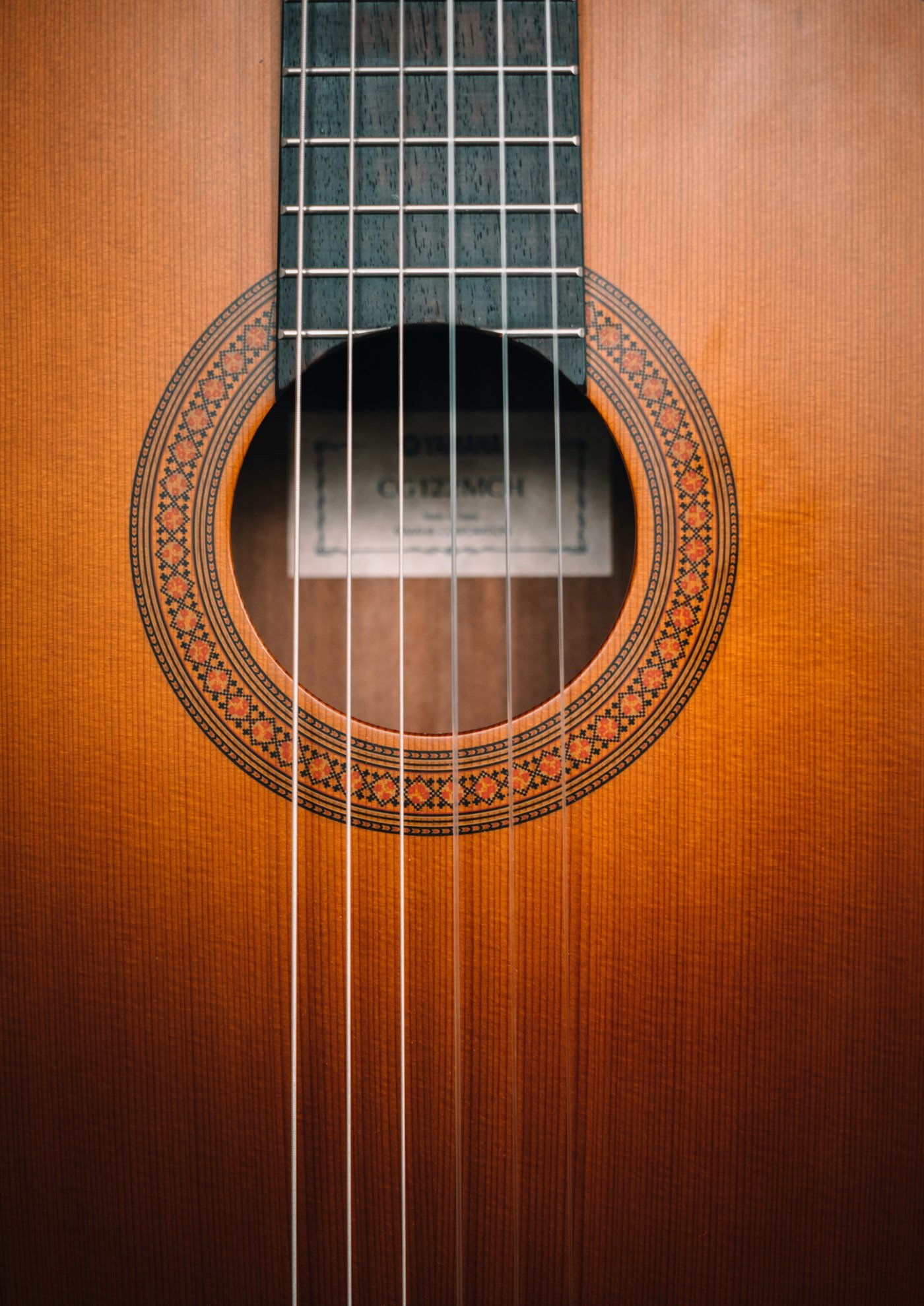
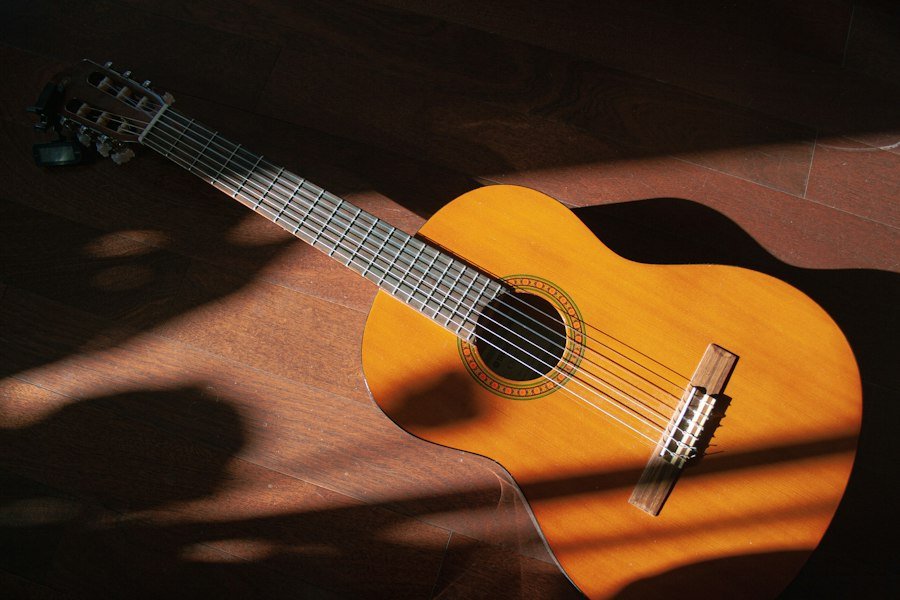
Soft nylon strings, a wide neck and a warm, round tone. A friendly place to start, and the home of classical and flamenco music.
Acoustic Guitar
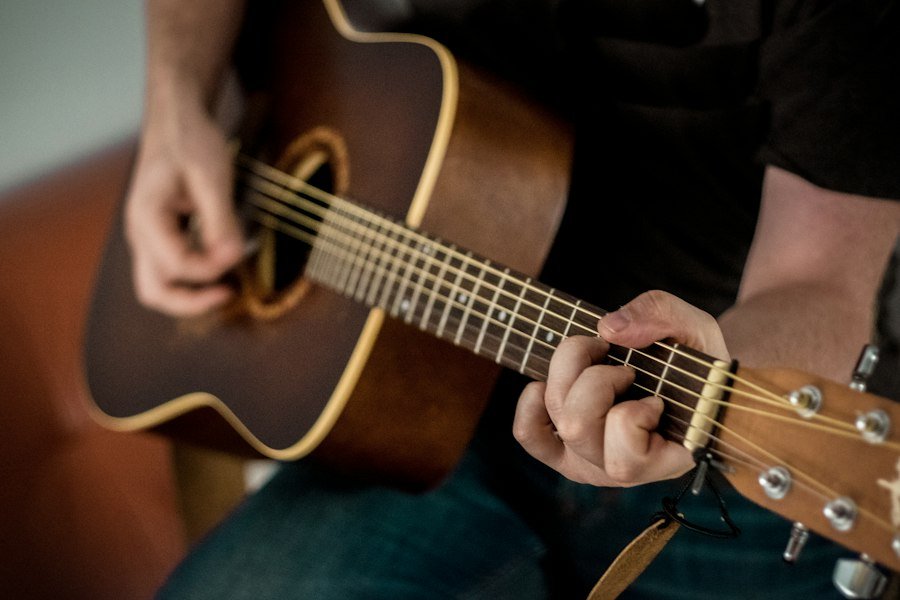
Steel strings give a bright, loud sound that fills a room. The classic choice for strumming songs, pop and folk.
Electric Guitar
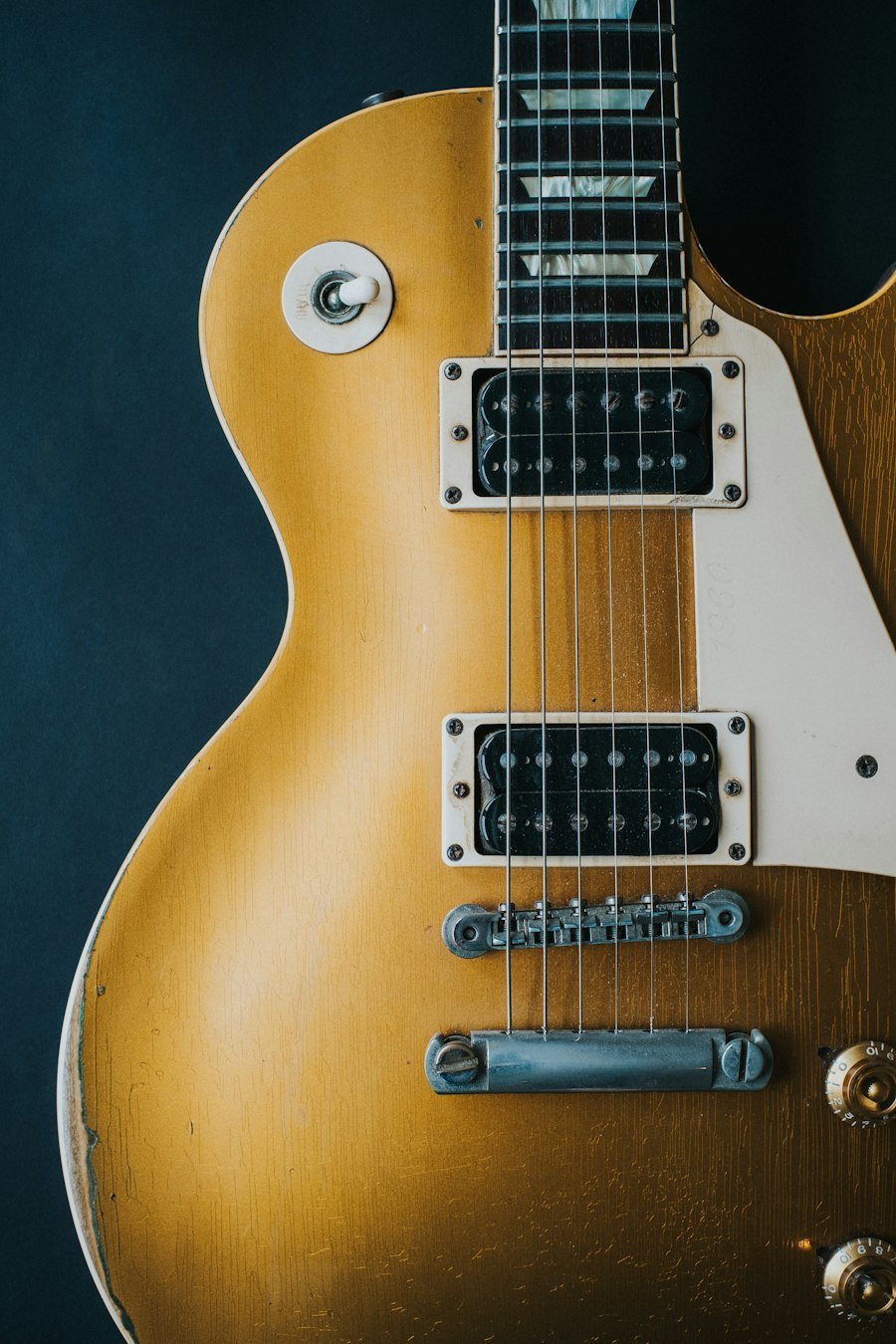
Pickups send the sound to an amplifier. Light strings and a slim neck make bends and solos easier, for rock, blues and jazz.