Discover the oud and the maqam tradition with a specialist teacher. Lessons cover right-hand risha technique, left-hand accuracy and the modes and rhythms at the heart of Arabic and Turkish music.
Not sure which course or level is right for you? Get in touch and we will help you choose.
[+90 000 000 00 00]
[your-email@harvart.com]
Get to know
Meet The Oud
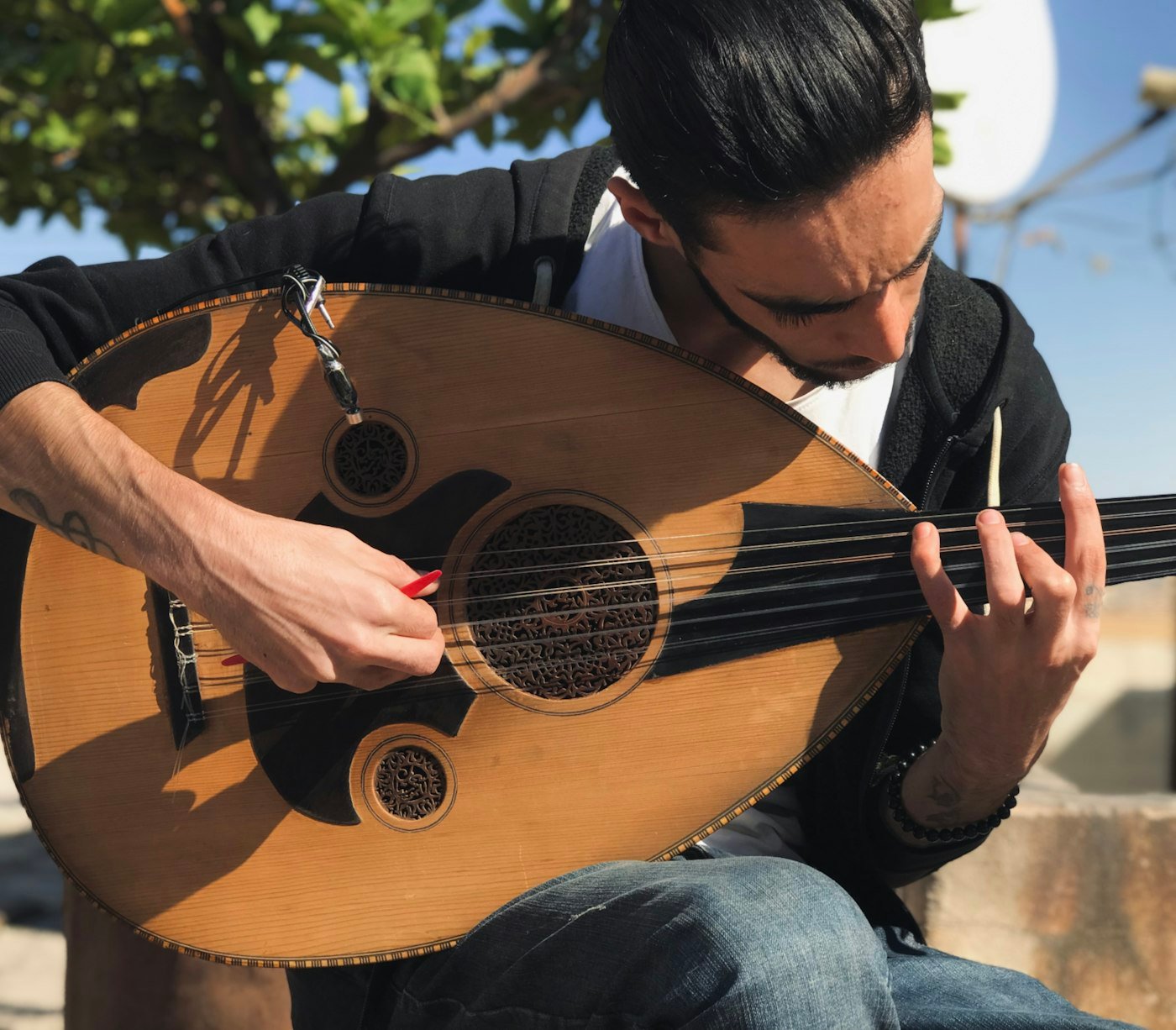
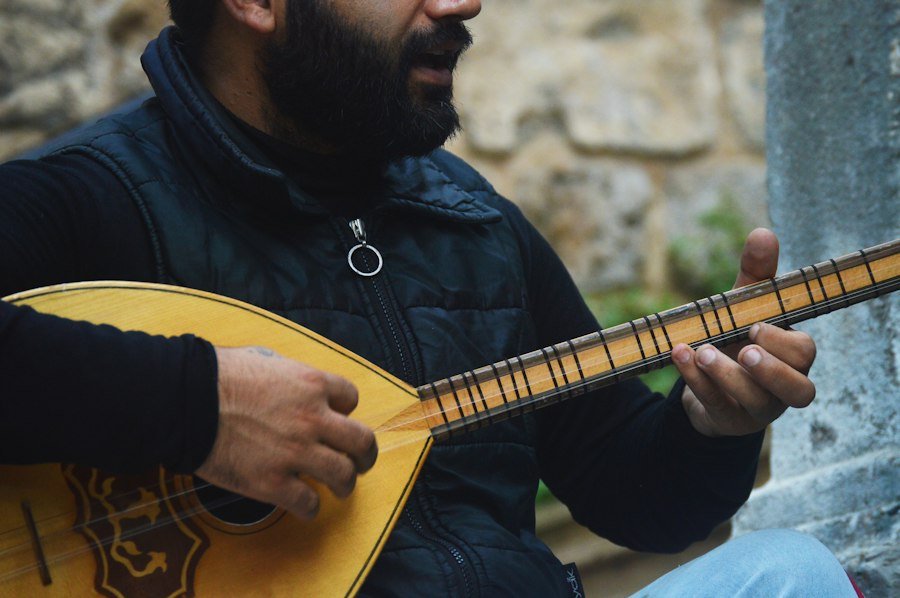
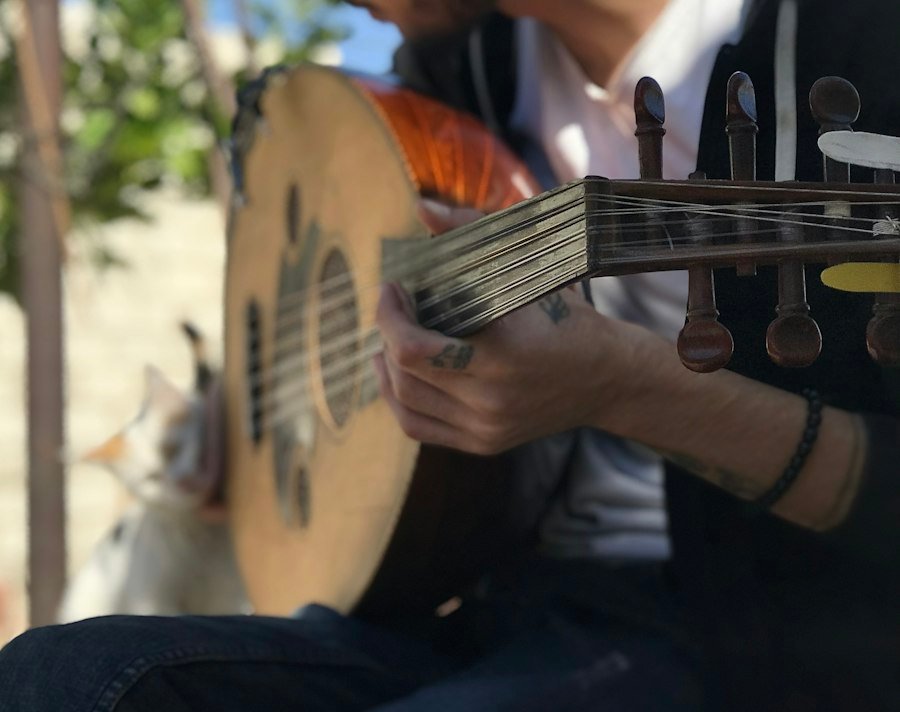
The oud is a short-necked, pear-shaped lute and the heart of Arabic, Turkish and Persian music. Its name comes from the Arabic al-ʿūd, “the wood”, and it is the ancestor of the European lute, whose name comes from the same word. Its family tree reaches back thousands of years in the Middle East.
The oud has no frets, so the player can place a note at any pitch, including the quarter tones of the maqam system that give Middle Eastern music its unique colour. It is played with a long, flexible plectrum, the risha in Arabic and the mızrap in Turkish, and its deep, warm voice shines in a solo taqsim as much as in a full ensemble.