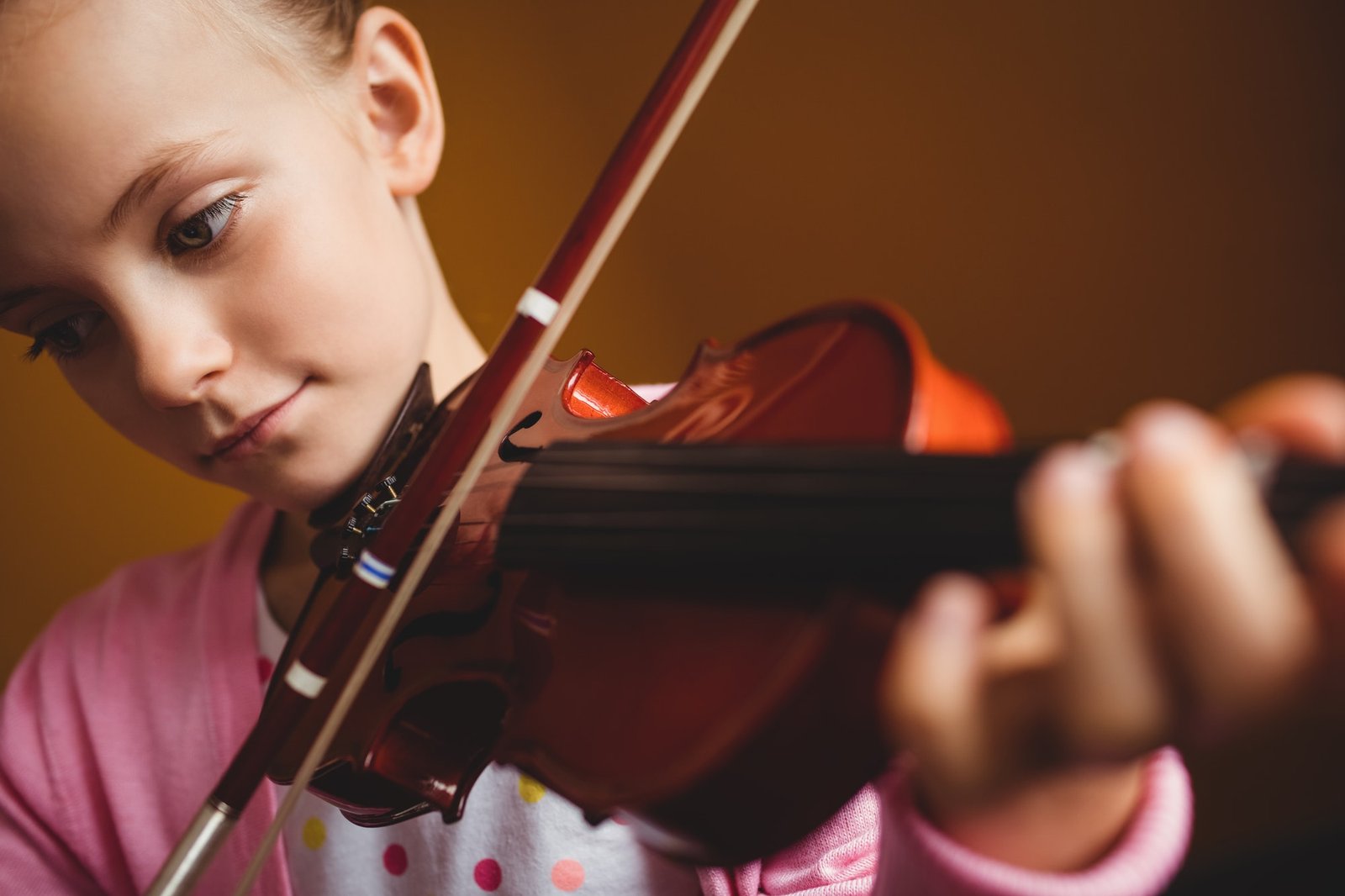
Build a solid violin foundation with careful, personal guidance. Your teacher watches your posture and bowing closely and helps you develop clean intonation and an expressive sound.
Not sure which course or level is right for you? Get in touch and we will help you choose.
[+90 000 000 00 00]
[your-email@harvart.com]
Get to know
Meet The Violin
The violin appeared in northern Italy in the early 1500s, and within a century the workshops of Cremona had perfected it. Makers such as Andrea Amati, Antonio Stradivari and Giuseppe Guarneri “del Gesù” built instruments that top soloists still play, and treasure, today.
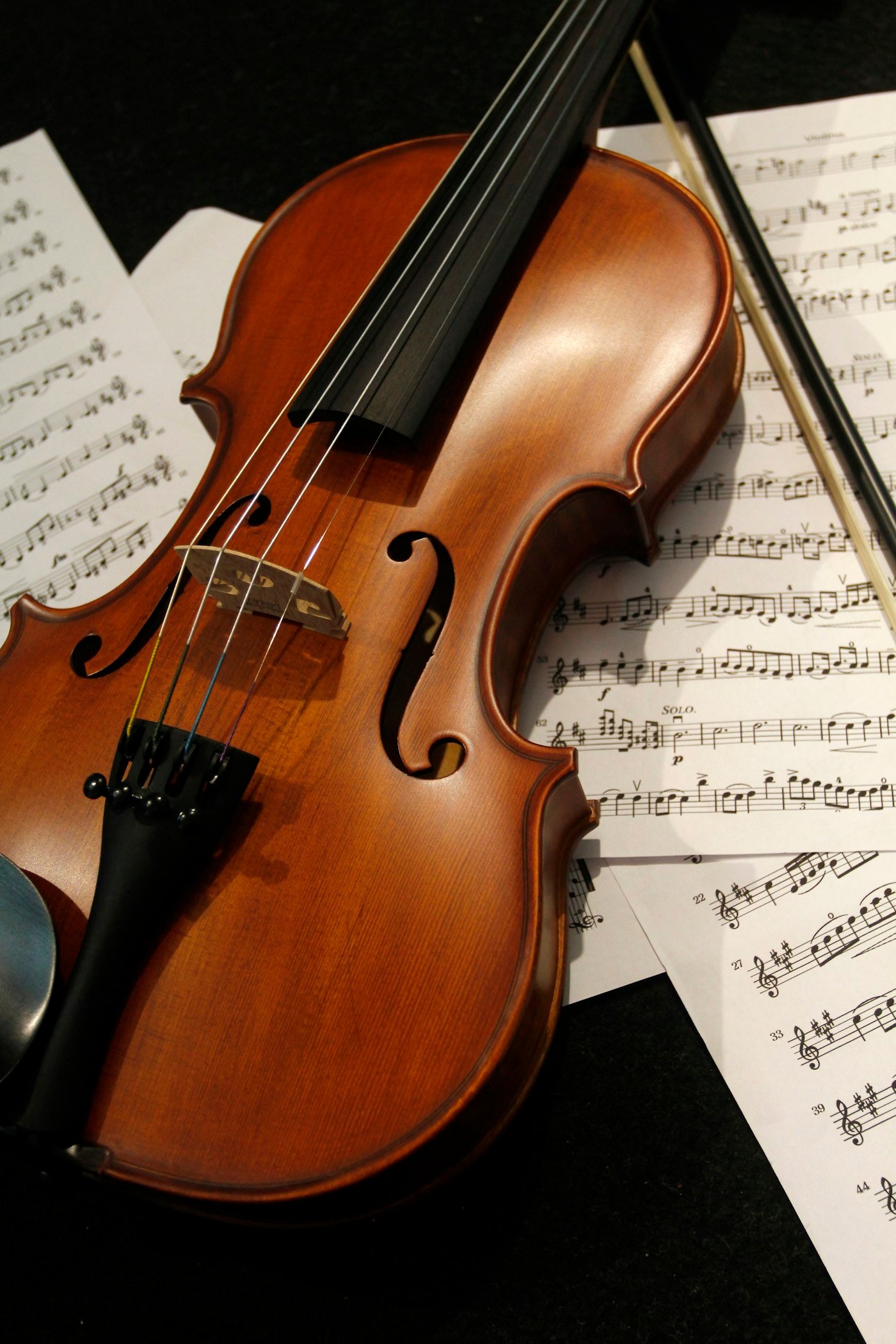
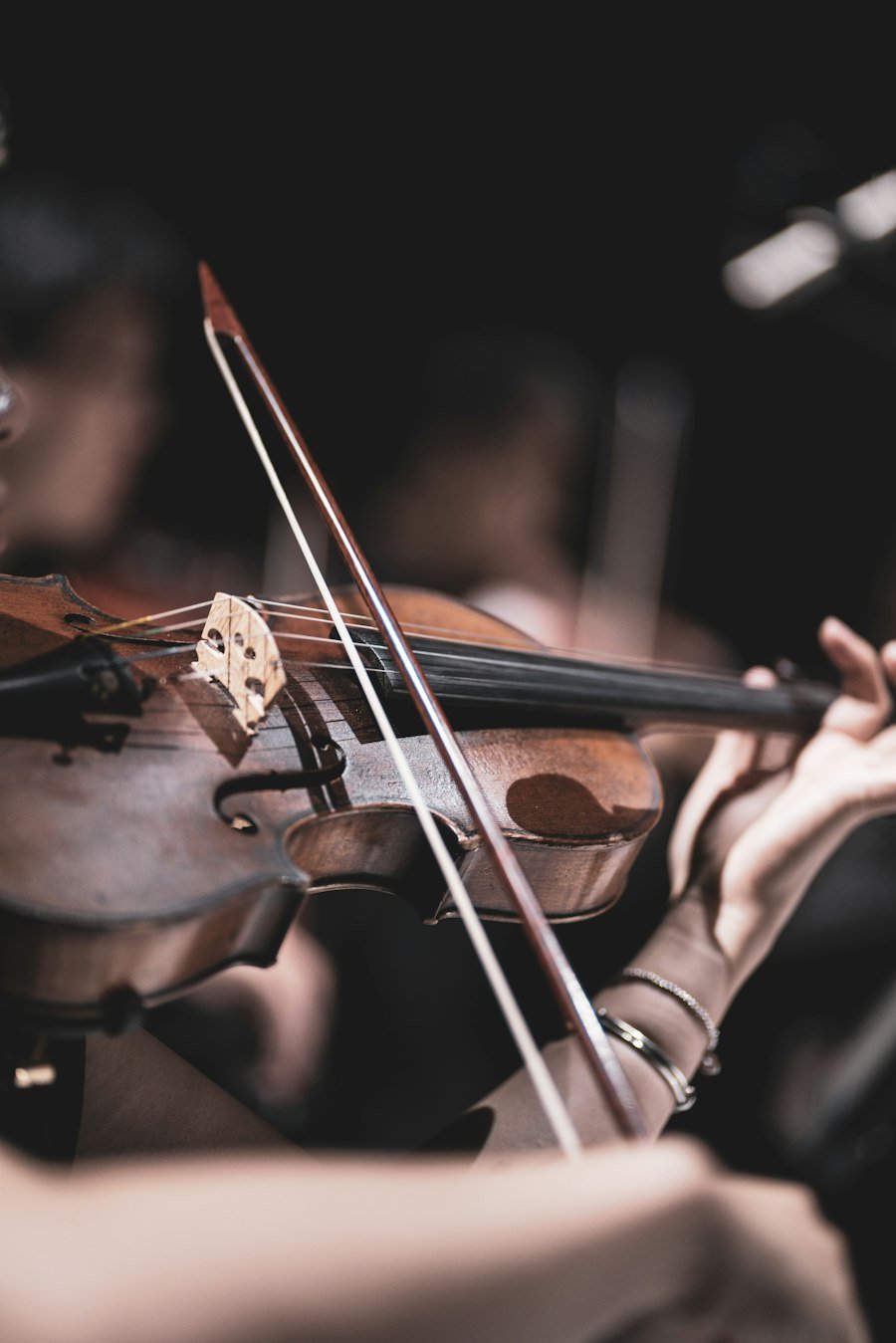
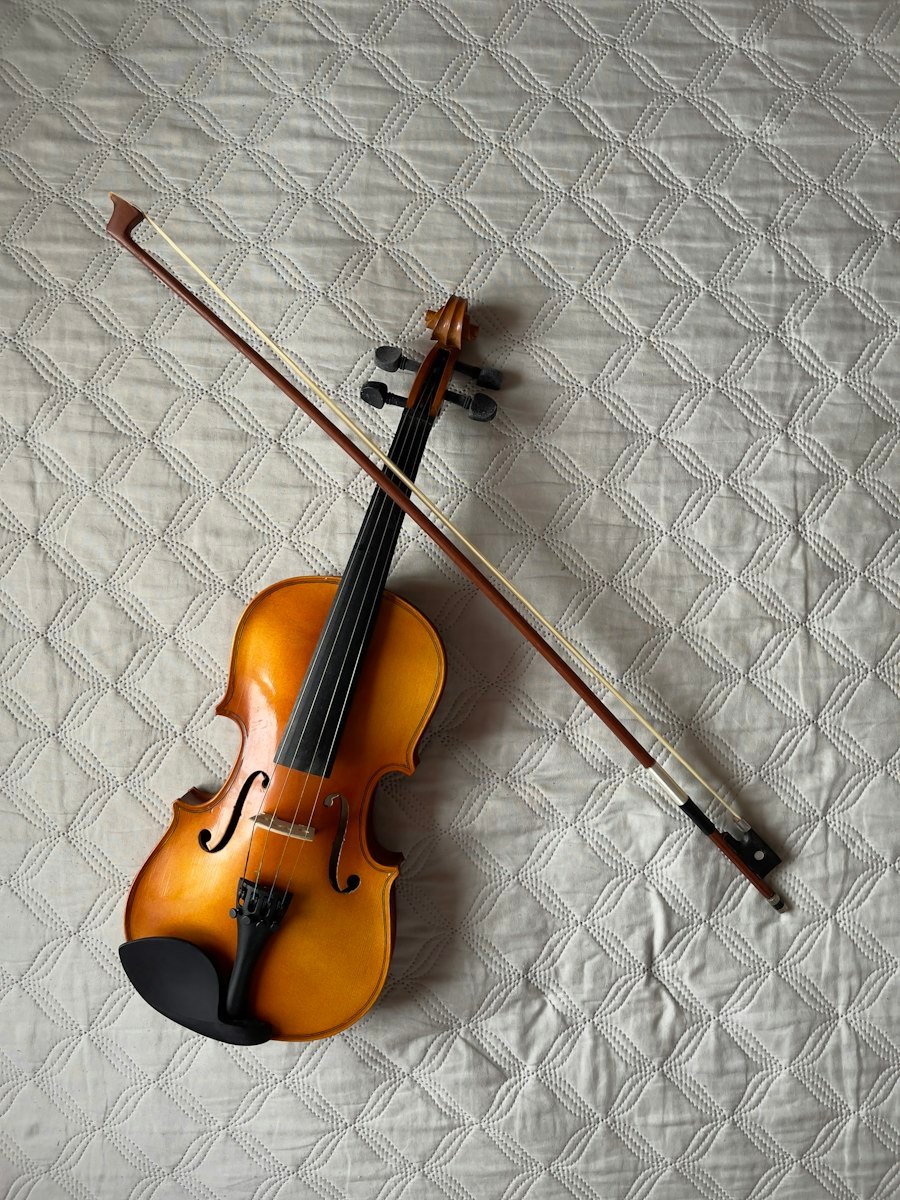
Its four strings are tuned in fifths (G, D, A, E) and set vibrating by a bow strung with horsehair. With no frets, the violinist shapes every note by ear, which is why the violin can sing, whisper or cry like a human voice. It leads the orchestra, and it is just as central to Arabic ensembles and folk music around the world.
Family: bowed string instrument, the highest of the violin family
Origin: northern Italy, early 16th century
Strings: 4, tuned G D A E
Heard in: orchestra, chamber, Arabic, folk and film music
Did you know?
The Violin In Numbers
4
Strings tuned in perfect fifths
70+
Pieces of wood in one violin
1500s
First violins in northern Italy
1/16 – 4/4
Sizes, so children can start early
Explore
The Many Voices Of The Violin
One instrument, many styles. Tell your teacher what you want to play and your lessons will follow.
Classical Violin
Scales, études and repertoire from Bach to modern composers, with good posture and bow control from the very first lesson.
Arabic & Folk Violin
Ornaments, slides and maqam intonation in the Arabic style, plus folk tunes that are fun to play early on.
Violin For All Ages
Fractional sizes from 1/16 to full size let children start young, and adults can begin at any age.